
In the United Kingdom, long delays for therapy can heighten feelings of stress and loneliness for individuals seeking support. To address this issue, mental health services are exploring creative solutions like ‘Pause and Triumph’ games. These captivating games not only help patients occupy themselves but also promote a sense of togetherness and strength. As more services incorporate these games, their potential effects on mental health care are worth investigating further. hold and win
The Present State of Mental Health Services in the UK
Despite ongoing efforts to improve availability, mental health services in the UK face significant challenges that impact many individuals seeking assistance. Currently, a fragmented system leaves patients navigating through a labyrinth of different providers and options, making timely access to care difficult. Community services often lack adequate staffing, further straining resources and increasing pressure on practitioners. Many professionals express a commitment to delivering high-quality care, yet they confront high workloads and limited funding, which hinders their ability to meet clients’ needs. Additionally, prejudice surrounding mental health can deter individuals from seeking essential support, creating a cycle of neglect. Recognizing these challenges invites a collaborative approach, where decision-makers, professionals, and communities work together to promote more adaptive and efficient mental health services in the United Kingdom.
Understanding the Impact of Long Wait Times
Long wait times for therapy can have significant consequences on individuals’ mental health, often exacerbating emotions of anxiety and isolation. Many people find themselves in immediate need of support, and delays can leave them feeling disheartened and unheard. Understanding these impacts is crucial in nurturing a more responsive mental health system that truly addresses the needs of those waiting for care.
Consequences of Delayed Therapy
While many individuals hope for prompt access to therapy, the reality of extended wait times can have profound consequences on mental health. Delays in receiving therapeutic support can exacerbate existing conditions, leaving individuals feeling isolated and overwhelmed. Heightened anxiety, depression, and stress often emerge during this waiting period, hindering coping mechanisms and daily functioning. Additionally, the uncertainty surrounding when care will begin can breed irritation and hopelessness, adversely affecting one’s self-esteem. As clients manage these emotional challenges, they may also face tense relationships and hindered productivity. Understanding these consequences emphasizes the urgency for a collaborative approach among mental health services, policymakers, and communities to address wait times and guarantee prompt access to essential care.
Urgency in Mental Health
The impact of extended wait times for mental health services can be damaging, creating a sense of urgency that often goes unrecognized. Individuals forced to wait may experience a decline in mental health, exacerbating emotions of anxiety and depression. This delay not only contributes to worsening conditions but can also leave clients feeling hopeless, trapped in a cycle of distress.
Healthcare practitioners must recognize this urgency and advocate for swift interventions. Partnership between organizations and the community is essential to tackle systemic issues resulting in delays. By focusing on mental health access, we can shorten the delay and improve outcomes, eventually fostering a helpful atmosphere where individuals feel appreciated and listened to. It’s time to convert waiting into action.
What Are ‘Hold and Win’ Games?
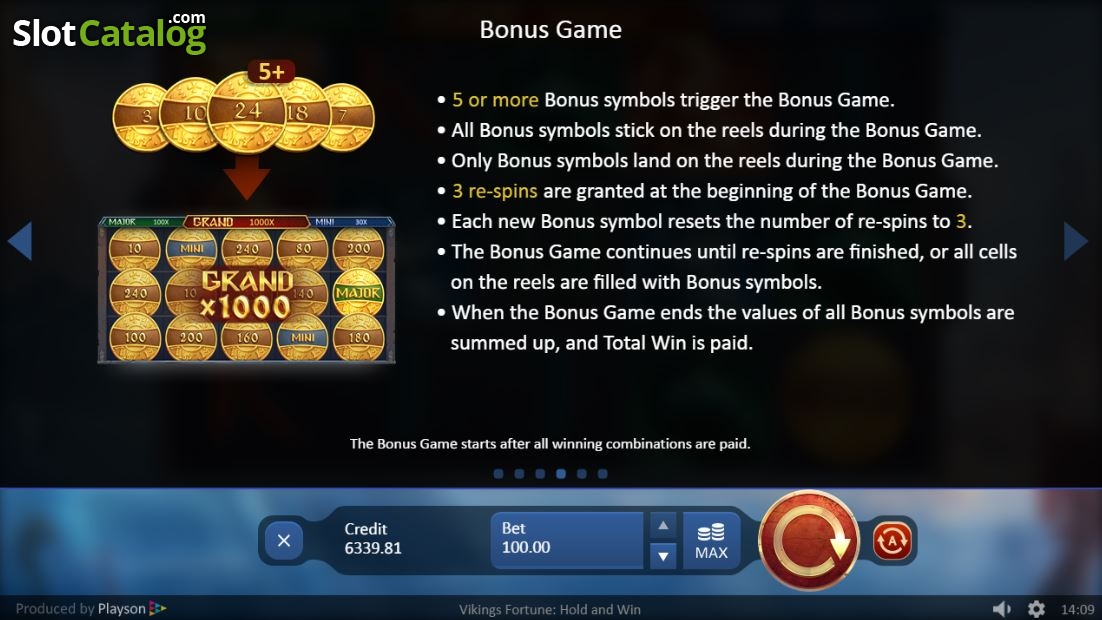
“Hold and Win” games have achieved recognition for their engaging systems and rewarding potential. These engrossing experiences merge classic gaming components with novel characteristics, enthralling players in unique ways. Players often pursue jackpots by accumulating distinctive symbols that initiate bonus rounds, allowing them to retain and reposition positions for additional opportunities to win. This participatory procedure cultivates a feeling of mastery and planning, important for those pursuing a more profound grasp of gameplay. They often showcase lively graphics and themes that enhance the adventure, establishing an inviting atmosphere. As players navigate these games, they develop skills, learn patterns, and embrace the trial—guiding them toward expertise while enjoying an entertaining distraction during wait times.
Benefits of Engaging With Games During Wait Times
Involving with games during wait times offers various gains that can improve a person’s experience. These games can act as effective stress relief strategies, boost cognitive engagement, and foster possibilities for social engagements. By offering pleasant distractions, they can aid individuals feel more engaged and at ease while they wait.
Stress Relief Techniques
While anticipating for a counseling session can be irritating, incorporating easy games into that downtime can importantly alleviate stress. These games provide an interesting distraction, allowing individuals to shift their focus away from anxiety and anticipation. By immersing themselves in short, enjoyable activities, they can experience a sense of accomplishment and relaxation. Furthermore, the fun nature of many games encourages a playful mindset, which reduces tension and promotes mental flexibility. Whether it’s a puzzle or a fast word game, these activities create a soothing rhythm during an otherwise uneasy wait. Embracing this approach not only nurtures emotional well-being but also enables individuals to take control of their self-care, reinforcing the importance of finding joy even in short moments.
Cognitive Engagement Boost
Games not only provide a distraction during therapy wait times; they also enhance cognitive involvement, boosting mental acuity. Interacting with games exercises critical thinking and problem-solving skills. Players face challenges that require quick decision-making and strategic planning, helping to hone their mental faculties. This mental stimulation encourages a state of flow, making it easier to focus and stay present. Additionally, the variety in games caters to different cognitive strengths, allowing individuals to choose what aligns with them. By immersing themselves in these activities, they actively combat any feelings of anxiety or restlessness during wait times. Ultimately, this cognitive involvement lays a strong foundation for improved mental health, equipping them to steer their therapeutic journey more effectively.
Social Interaction Opportunities
When individuals take part in recreational activities during their therapy wait times, they often discover valuable chances for socializing. Involving themselves in these games develops a sense of belonging, allowing people to communicate experiences, strategies, and help with fellow participants, which can be extremely beneficial. Joint gameplay encourages connections that might otherwise be unexplored, enhancing overall mental health. Players may find relief and companionship in common challenges, dismantling obstacles that seclusion can lead to. Additionally, social interactions through games can help alleviate sensations of anxiety and isolation, supporting the therapeutic process. By integrating activities into wait times, not only do individuals enhance their cognitive and emotional strength, but they also expand their connections, making the waiting experience more satisfying and satisfying.
How ‘Hold and Win’ Games Promote Mental Well-being
Many individuals find themselves coping with tension and anxiety during treatment session waits, and ‘Hold and Win’ games present a valuable outlet. These games captivate participants not only through immersive gameplay but also through strategic thinking, encouraging a spirit of achievement. This participation can alleviate emotions of isolation and vulnerability, often linked to emotional well-being challenges. The engaging nature of ‘Hold and Win’ games gives users with a emphasis on instant benefits, redirecting them from their anxious thoughts. Additionally, they can develop patience and awareness as players discover to navigate through challenges. As people engage themselves in these games, they feel a temporary respite that enhances psychological strength and leads favorably to their mental well-being, making those delay moments more tolerable.
Case Studies: Victories From the Use of These Games
Stories of change often emerge from the distinct experiences of individuals who’ve turned to ‘Hold and Win’ games during their therapy session waits. For example, Sarah found herself battling nervousness while awaiting her appointment. Interacting with a captivating ‘Hold and Win’ game shifted her focus, providing a temporary refuge from her worries. Similarly, Jake, who struggled with social anxiety, reported feeling more at ease after participating in these games. Participants experienced lowered stress levels, heightened motivation, and improved coping mechanisms as they discovered how to find joy amid uncertainty. These success stories illustrate how integrating ‘Hold and Win’ games into waiting times can encourage mental resilience, promoting well-being while addressing the challenges many face during therapy sessions.
The Future of Mental Health Care: Integrating Innovative Solutions
As mental health care develops, integrating innovative solutions like ‘Hold and Win’ games into therapy settings represents a significant shift toward enhancing patient experience. These games not only maintain engagement during wait times, but they also serve therapeutic purposes, stimulating cognitive functions and reducing anxiety. By encouraging a playful atmosphere, they promote healthier coping strategies among patients, reshaping traditional waiting rooms into supportive spaces. Collaborative applications can further tailor these games to address diverse mental health needs, allowing practitioners to adapt their approach. Emphasizing patient-centered care, mental health professionals can utilize technology to bridge gaps in treatment accessibility. Ultimately, embracing such innovative tools can help cultivate a more comprehensive and effective mental health care environment in the UK.
Conclusion
As mental health services continue to progress in the UK, integrating ‘Hold and Win’ games offers a innovative approach to addressing wait times. These creative games encourage not only participation and distraction but also a sense of camaraderie and support among individuals journeying through their mental health paths. By focusing on emotional resilience through fun interaction, we can create a more compassionate environment that empowers individuals, ensuring they feel less alone and more optimistic during their healing process.